A memoir with Graeme Taylor
A personal narrative with Graeme and the grey-faced petrels of Te Henga
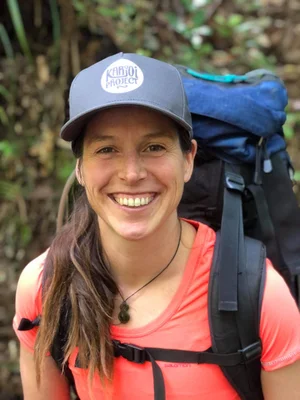
by Kristel van Houte
When Graeme first set foot on this rugged coastline in 1984, seabirds were still a mystery in many ways. He was young, endlessly curious - a nature kid turned biologist, who’d once sketched garden birds for a school assignment and collected Greg’s jelly bird cards, captivated by the kōkako (blue-wattled wattlebird) long before he ever saw one.
“I don’t do this work to be famous,” he tells me, checking a banded bird with his careful hands. “I do it because I’m curious. There’s always more to discover.”
His seabird journey began with rat eradication efforts in Fiordland, then a year spent living among penguins on Campbell Island. A Master’s in kiwi and forest birds at Canterbury followed. Through DOC restructures and job changes, seabirds quietly claimed his heart.
“They’re so easy to catch - and so endlessly fascinating,” he says with a wry smile.
“Thirty-six years of studying the same birds… You start to learn the life story of every individual on the island.”
A relationship with a population he knows almost bird-by-bird.
He can now tell which ōi are the long-term residents raising chicks year after year and which are just passing through. It’s the kind of knowledge that can only be grown through time, care, and devotion to one place.
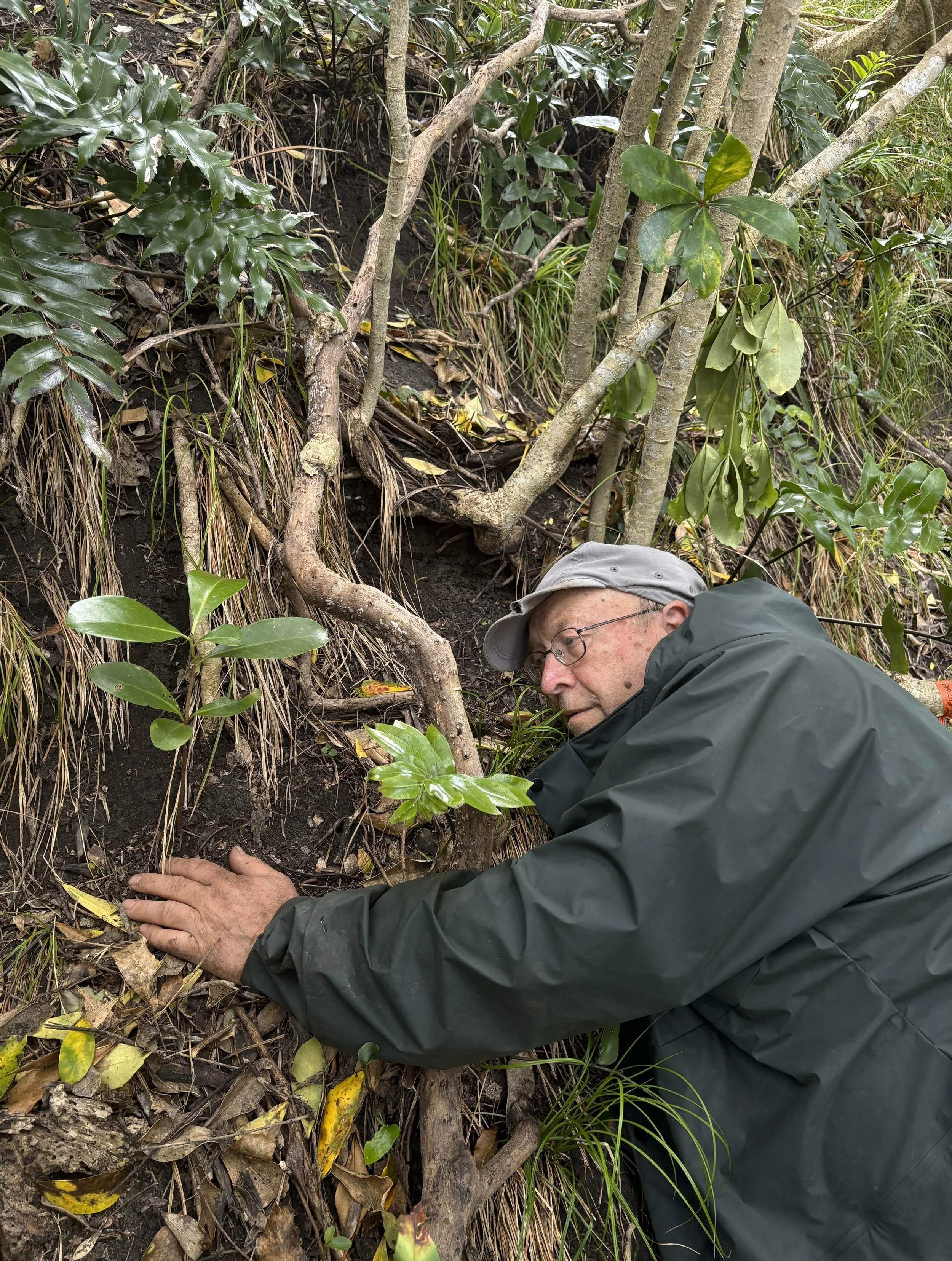
This dataset is one of the very few where an entire seabird population, not a sample, not a computer-generated model, is known by name and number.
“Some seabirds breed until the day they die,” he tells me. “We’ve seen them reach 41 years old.”
The males are especially loyal - guided back to the same patch of earth where they first cracked out of their egg, returning after years of roaming the open ocean.
“Give them half a chance - they’ll fill the skies again.”
A decade ago, I stepped onto Te Henga / Bethells Beach with Graeme for the first time. I return every year or two, still learning, still in awe.
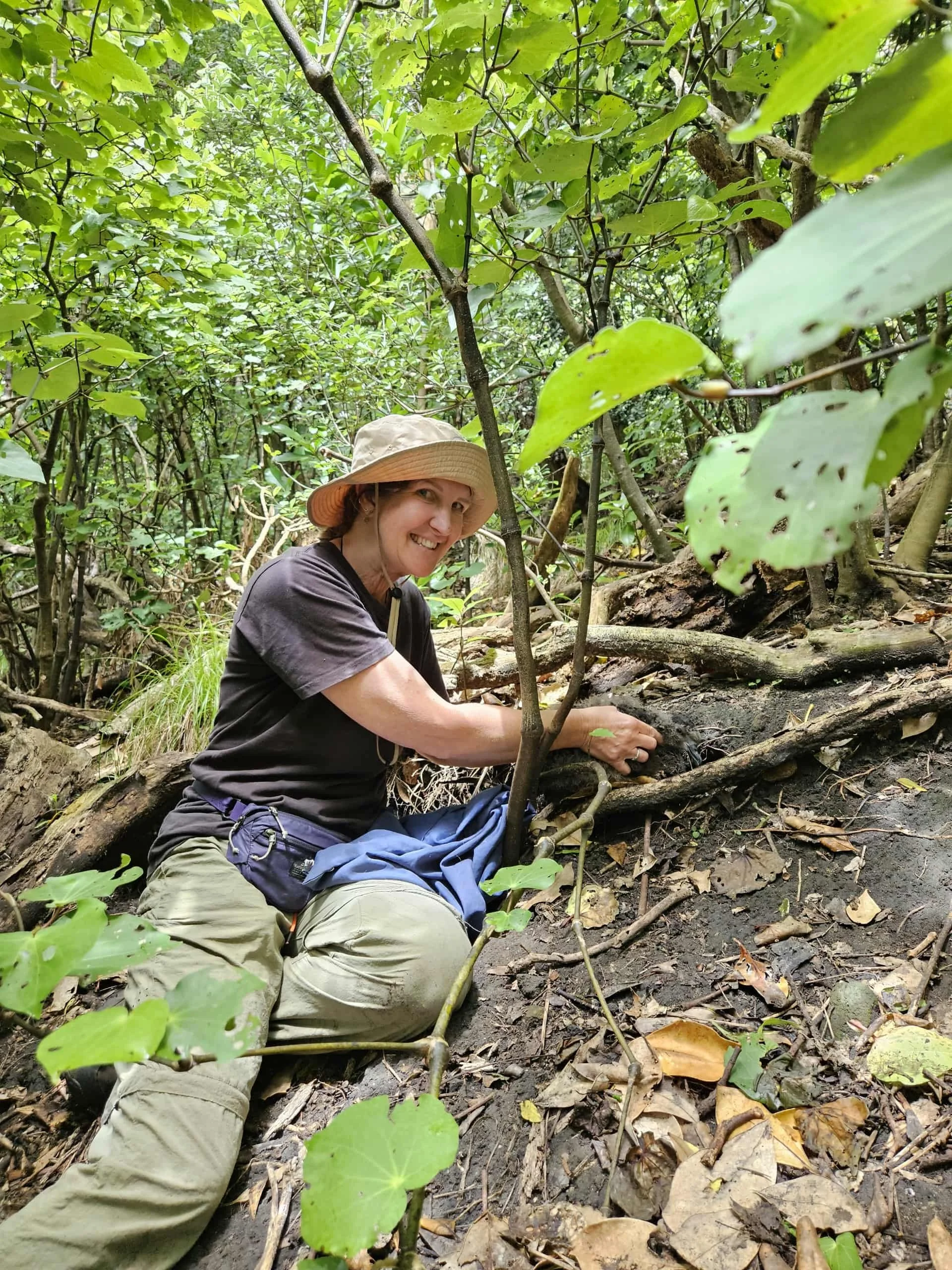
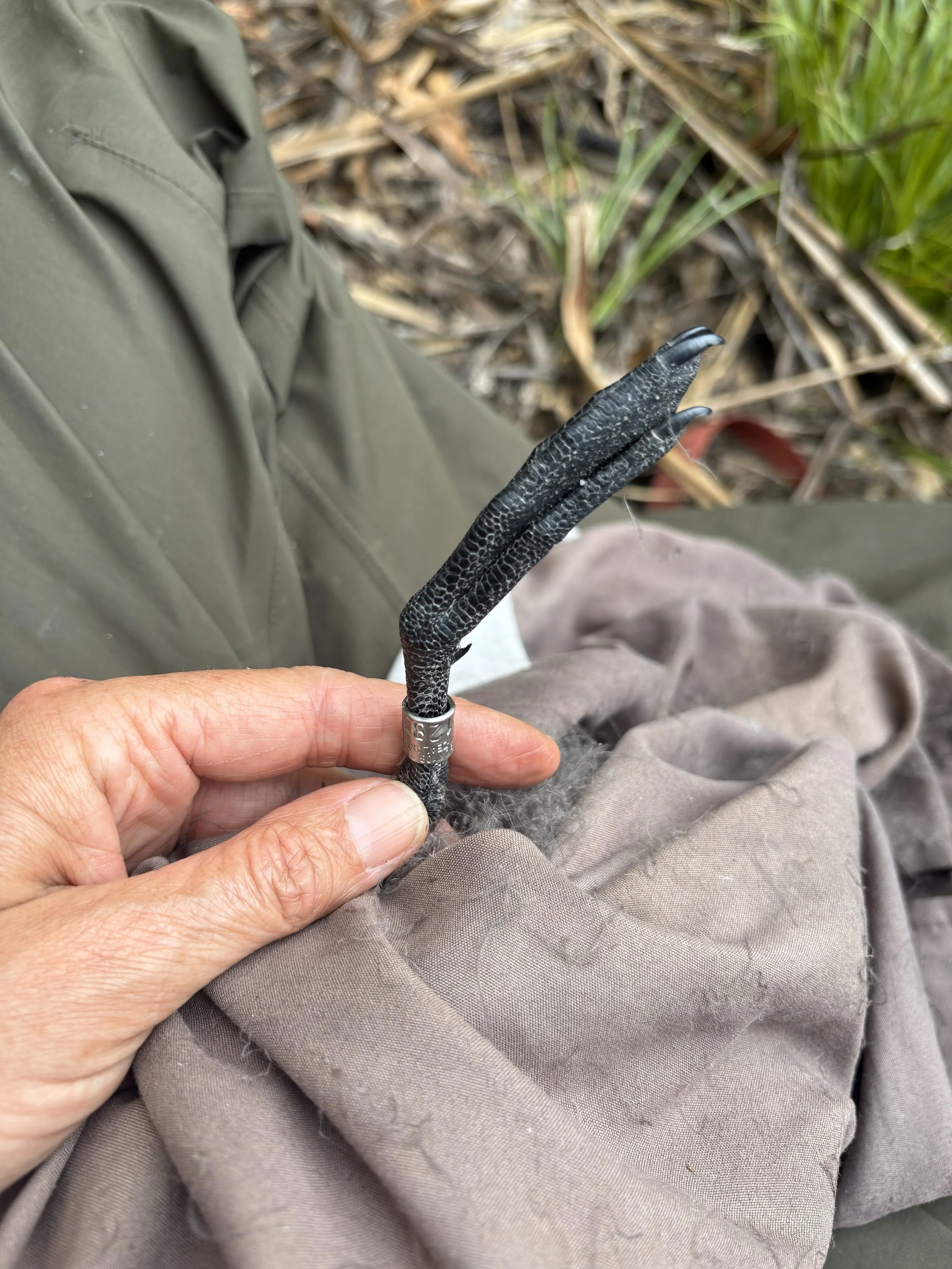
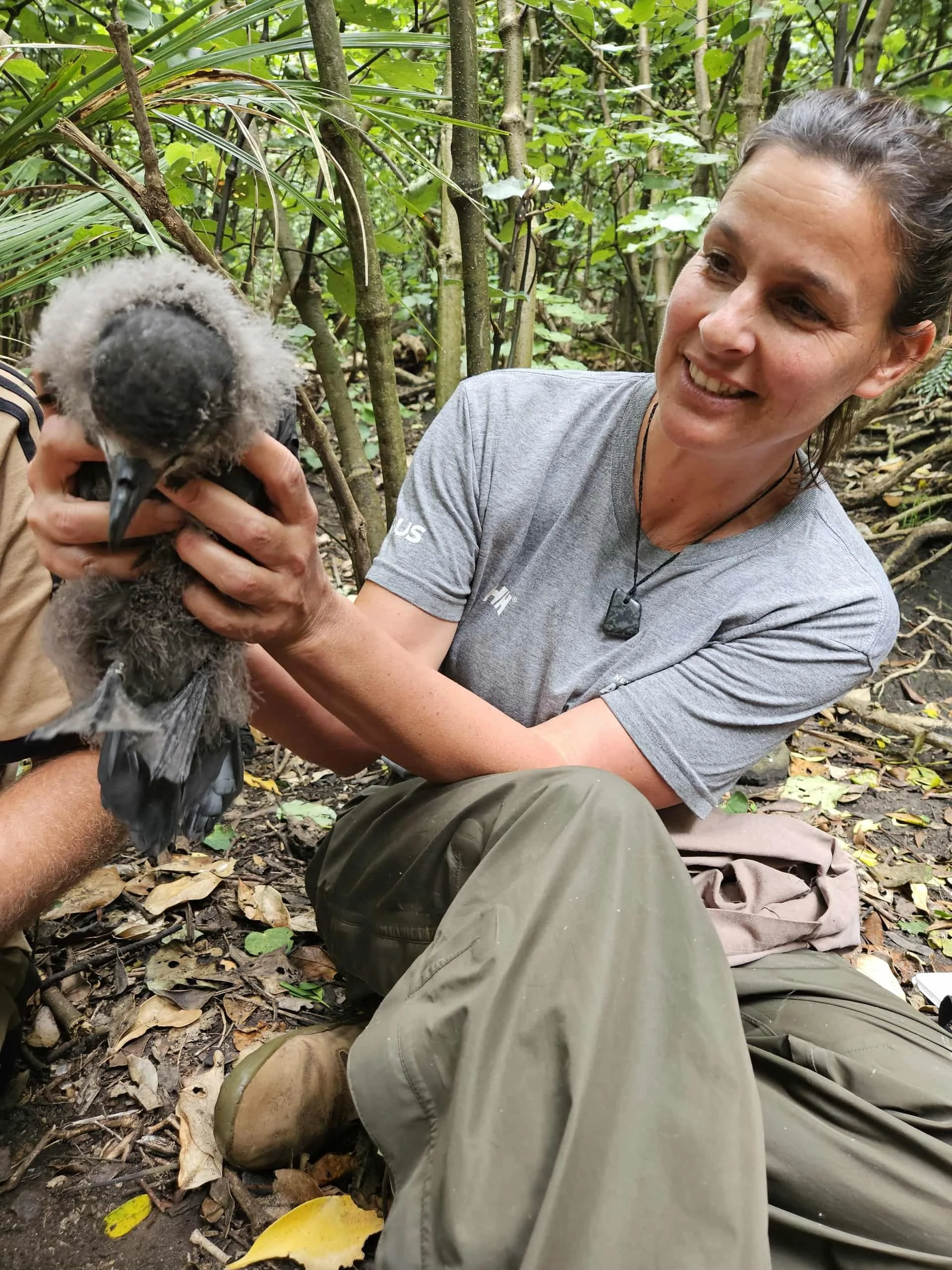
This season, we banded 24 birds, each one checked by Graeme’s expert eye, his precision softened by gentleness. After a few hours together, our team slipped into a rhythm of banding, weighing, measuring - easing birds from burrows and returning them safely, with tiny silver bands on wiry seabird legs.
Each band is like a passport, so when these chicks come home to breed, we will know who they are.
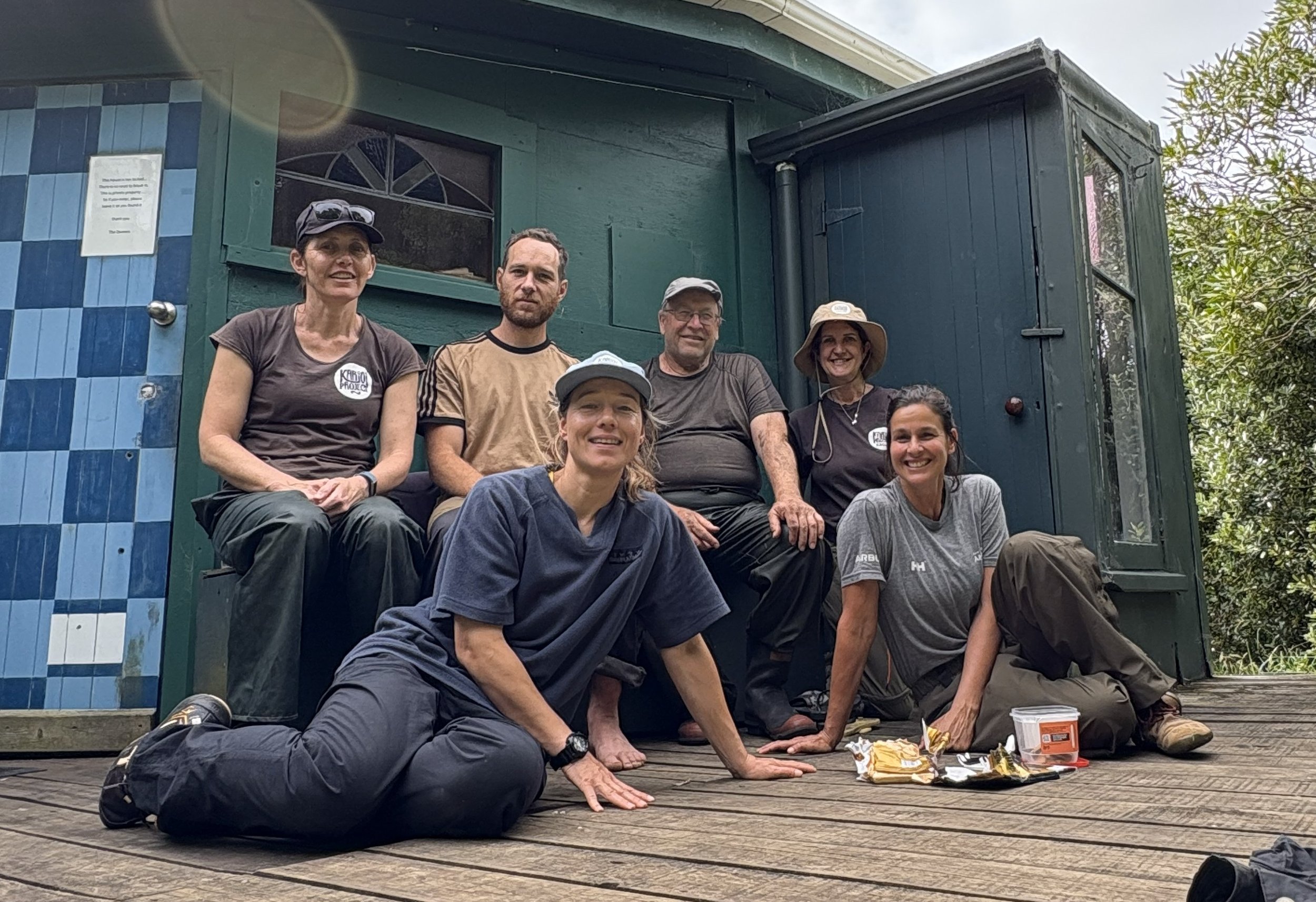
Karioi team with Graeme at Te Henga
Sometimes, during quiet pauses between burrows, Graeme shares stories of other islands - the kind few people will ever see.
A month on Curtis Island in the Kermadecs, camping on an active volcano where seabirds number in the hundreds of thousands. Christmas shearwaters were recorded alive there for the first time. “No one had ever camped there before,” he says, voice still tinged with wonder.
Early work on Rēkohu / Wharekauri (Chatham Islands), when the breeding sites of the tāiko / Chatham Island petrel were almost unknown, only three burrows recorded. Now, about fifty breeding pairs exist, thanks to relentless predator control.
Once, a titi / sooty shearwater, banded as a chick by Graeme while breeding on nearby Kauwahaia Island, was later recovered in Oregon, USA. These birds migrate to the North Pacific each winter, unlike the ōi, which typically stay in the Southern Hemisphere.
“The birds are telling us what’s happening,” he says quietly. “Their declines reflect the changes in the sea.”
Year after year, students arrive to learn the skills of seabird science under his mentorship - how to hold a bird firmly but kindly, how to listen, how to learn from a place. Many take their knowledge on to study other seabird populations. “People come in, study one part of the population and they carry that knowledge out into the world.”
He gives away what he knows.
Freely.
Because the birds need more guardians.
If you ask him why he keeps returning, he shrugs: “I’ve always got so much to do - seabird writing, data input, reviewing. I never get bored, there’s still so much to learn.” Curiosity is his compass. Loyalty is his anchor.
Some people roam the world to chase adventure.
Graeme lets adventure find him in one wild corner of the coast - again and again.
And because he stayed and cares we now understand these taonga species in ways no one else ever has.
The birds may never know his name - but their survival will carry his legacy forward in every beating wing returning home to this wind-carved island.
Ngā mihi nui, Graeme.
For everything.
Kristel