About measuring
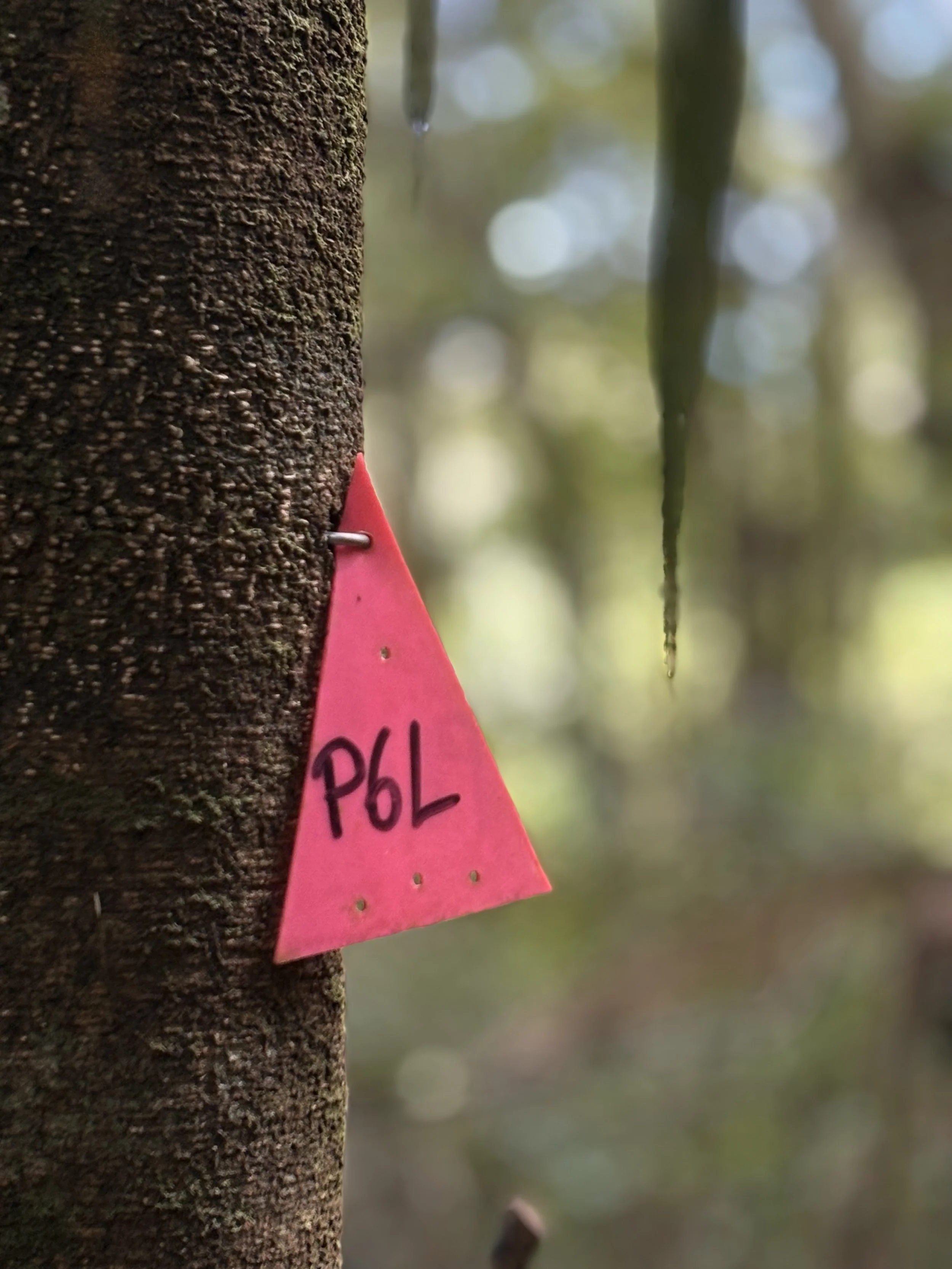
On Karioi, a simple bright pink triangle is nailed to a tree. It’s small, lightweight, and unremarkable - just a code written in black marker, there to guide volunteers along the track so they don’t get lost. On its own, it doesn’t look like much. But like many of the numbers we work with, it quietly tells a much bigger story.
Part of our responsibility is to report back on what we do. Some of that is straightforward to measure: the number of volunteers involved, the hours of environmental education we deliver, the number of children who take part in our programmes. These numbers matter. They give accountability and structure to the work we do.
But they’re only one part of the picture.
Equally important is measuring what has changed in the forest and across the broader landscape - around Karioi, along the coast, and on farms where we work with landowners. It’s not just about what we remove, but what is left behind. What are we seeing now that we weren’t seeing before? Has anything improved?
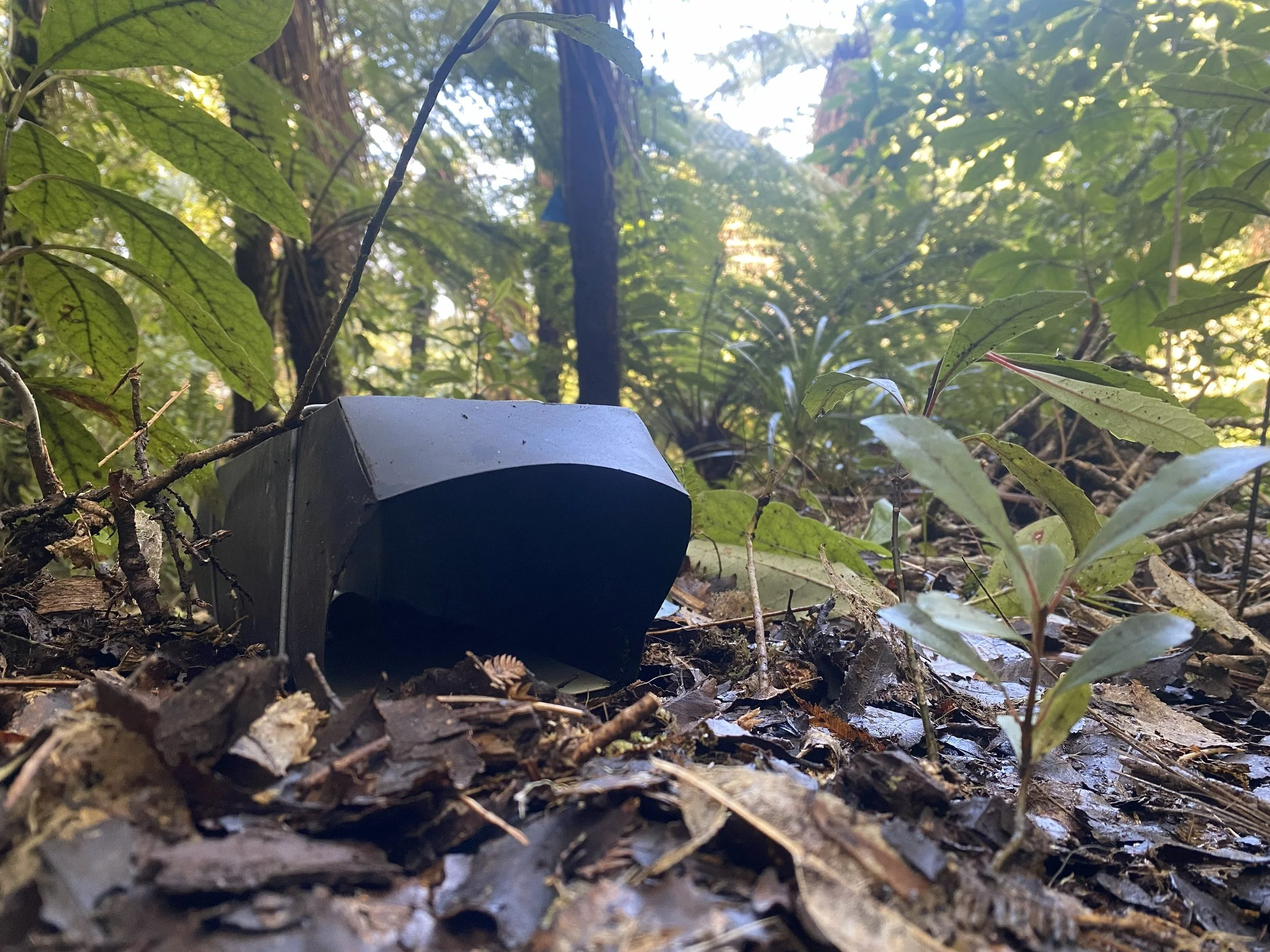
To understand this, we use a range of tools to measure possum and rat abundance. Leghold traps, tracking tunnels, and wax tags don’t give us exact numbers, but they show presence, absence, and trends - especially when we’re doing intensive pest control.
But measuring impact goes well beyond pests.
We monitor bird abundance through five-minute bird counts and track breeding success - how many seabird chicks fledge, what’s interacting with them using camera monitoring, and how many adults and chicks we lose in a season. This year, ferret predation has been particularly tough, and those losses are part of the story, too.
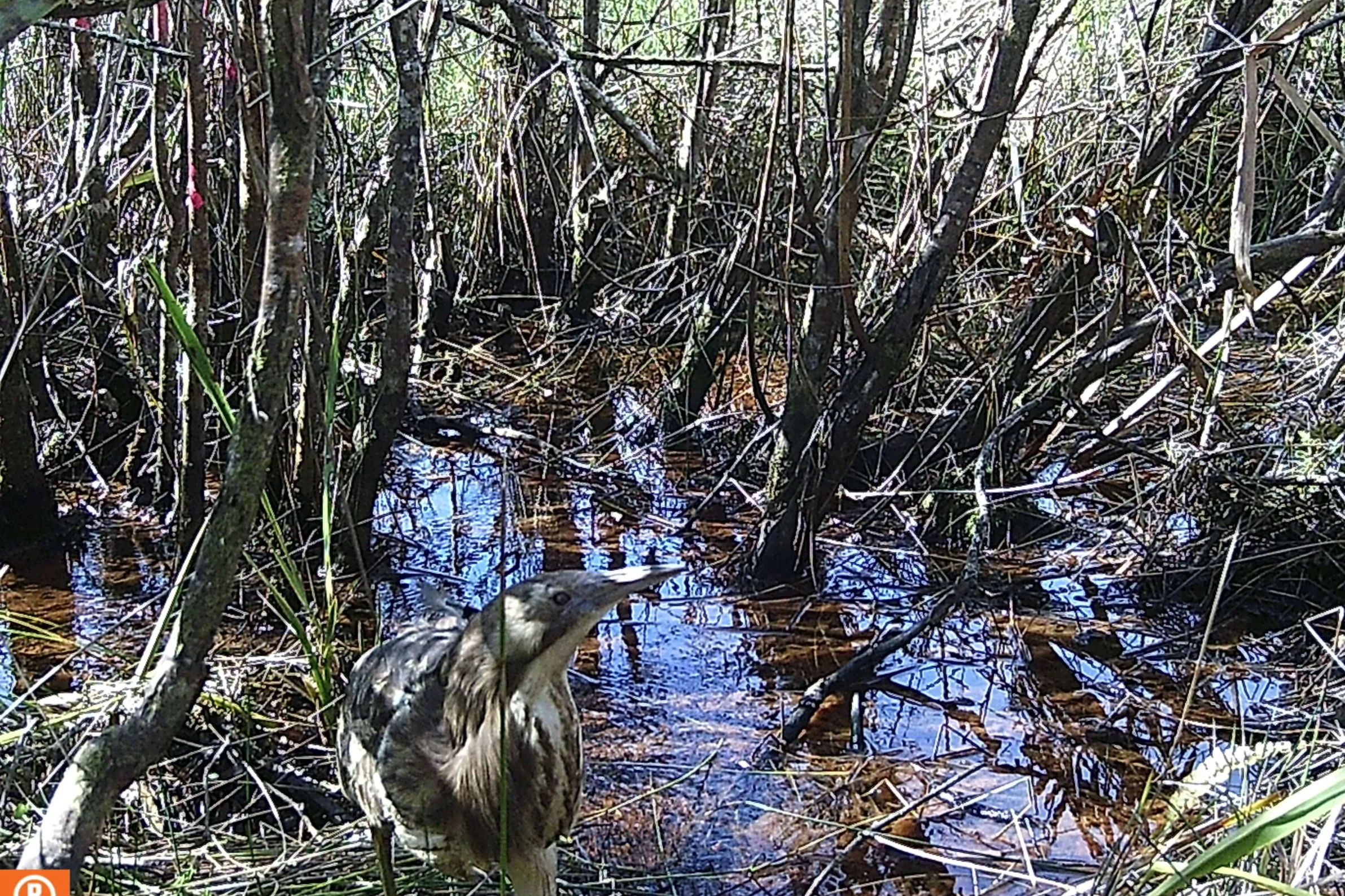
Further afield, in wetlands, cameras help detect both predators and species like matuku hūrepo. These large, cryptic birds are rarely seen, but when they wander past a camera, it’s a powerful sign of what careful, long-term work can support. For even more elusive species, like long-tailed bats, acoustic monitors record echolocation calls as bats pass overhead at night.
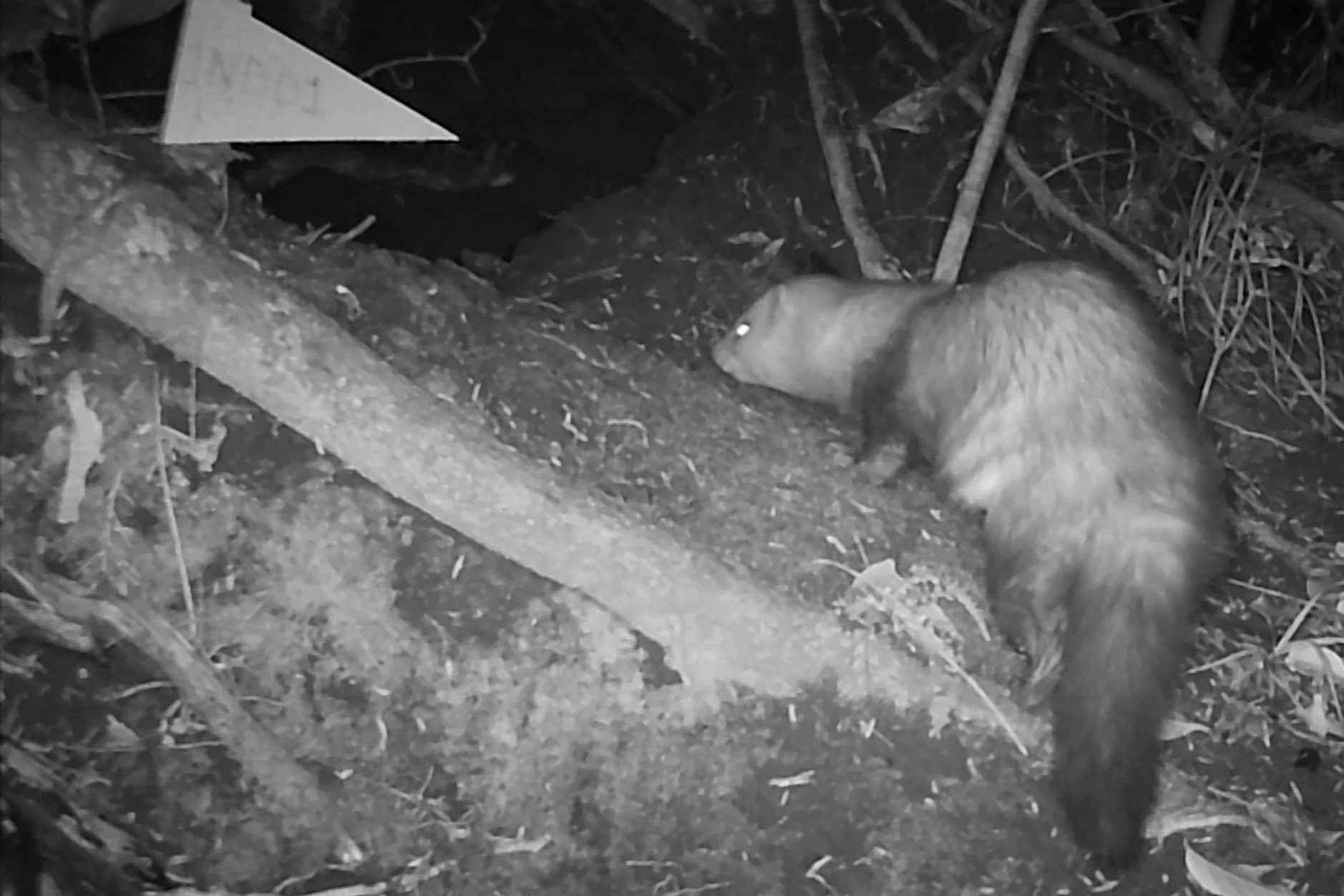
There are also the quieter measures - people telling us they’re hearing more birds in the forest and in their own backyards. These observations aren’t formal data, but they tell us something is shifting. Alongside pest control, large-scale planting is adding the food and habitat birds need to return and breed.
And then there’s that pink triangle again.
It’s nailed to a rewarewa tree that has grown several centimetres since the pink marker was first placed. The nail that once held the triangle clear now needs adjusting as the trunk thickens around it. Like our numbers, that small piece of plastic captures something much bigger - growth, layered over time, quietly reshaping the forest. And eventually, the forest will tell us the rest of the story.